Roof Flashing Guide: What It Is, Where It Goes, and How to Choose
Roof flashing is a shaped piece of material used to seal and protect vulnerable points in a roofing system. It is installed where one part of the roof meets another surface or detail, helping direct water away from exposed areas and reducing the risk of water penetration. Without the right roof flashing, rain can enter small openings around a junction, eventually leading to leaks, rot and costly water damage.
Good flashing does not just finish the roof neatly. It plays a critical role in preventing water penetration and helping keep the whole roof more watertight. That matters even more in Australia, where heavy rain and wind can quickly expose weak roof details.
Where roof flashing is used
Roof flashing is commonly used anywhere the roof changes direction, opens around a penetration, or meets another building element. Common areas include:
-
Roof valleys where two roof planes meet
-
Where the roof meets a wall or other vertical surface
-
Around skylights, chimneys and vents
-
Along roof edges such as barge capping, ridge details and drip edges
-
Transitions between cladding, roofing and other sheeted areas
Each junction needs the right type of flashing to guide water away properly and reduce the chance of gaps opening up over time.
Common roof flashing types
There are several common roof flashing types, and the right one depends on where the detail sits on the roof.
-
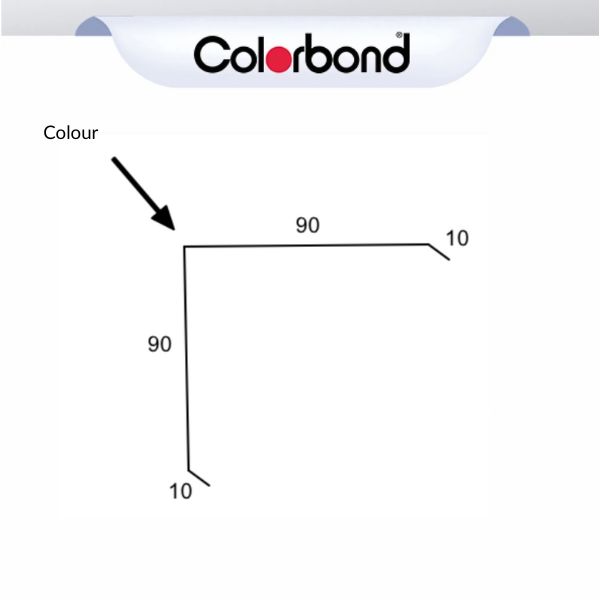
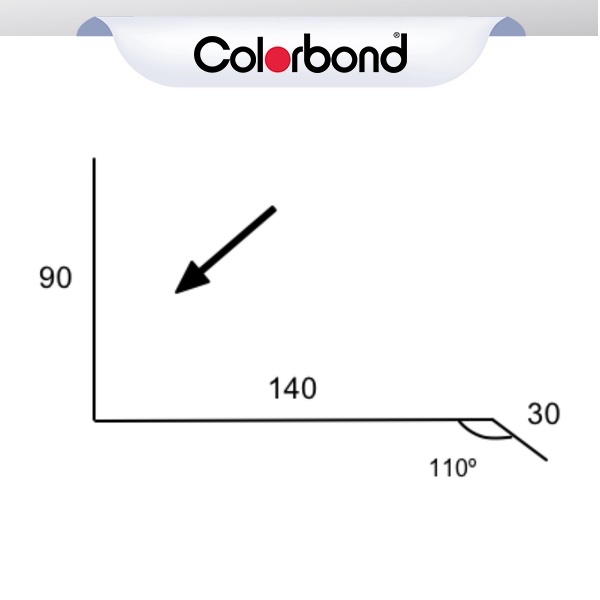
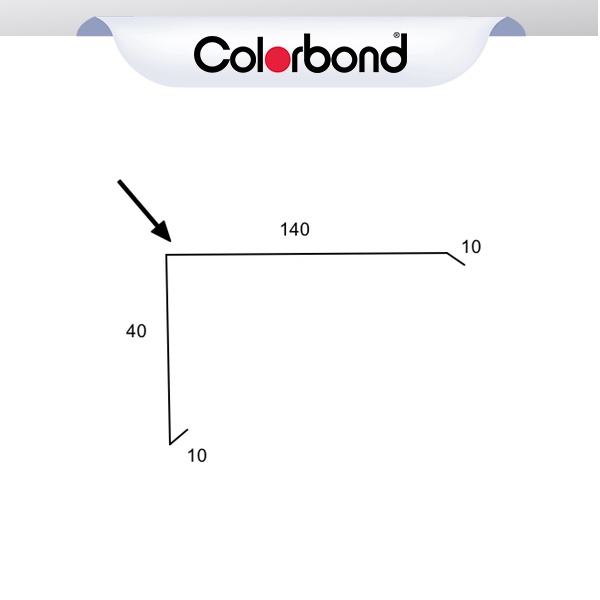
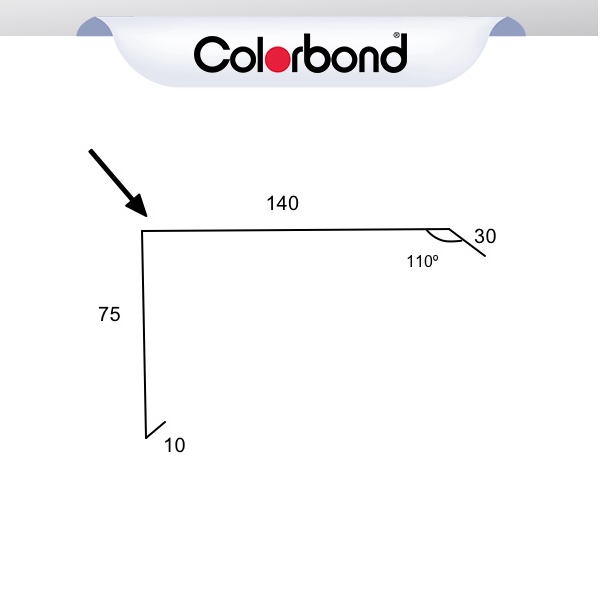
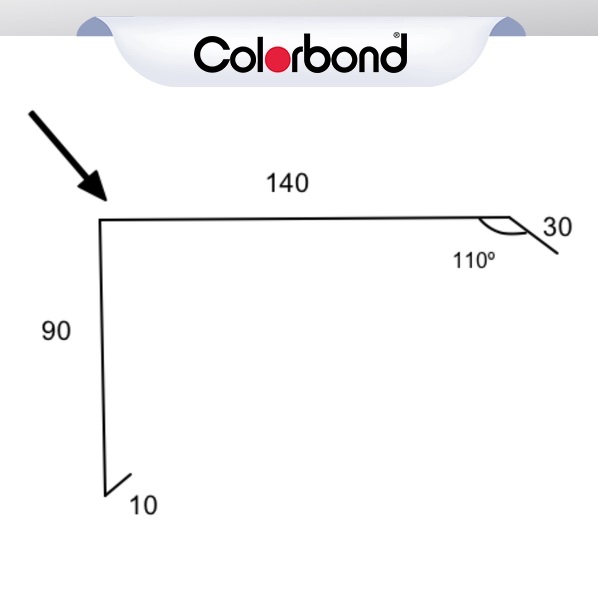
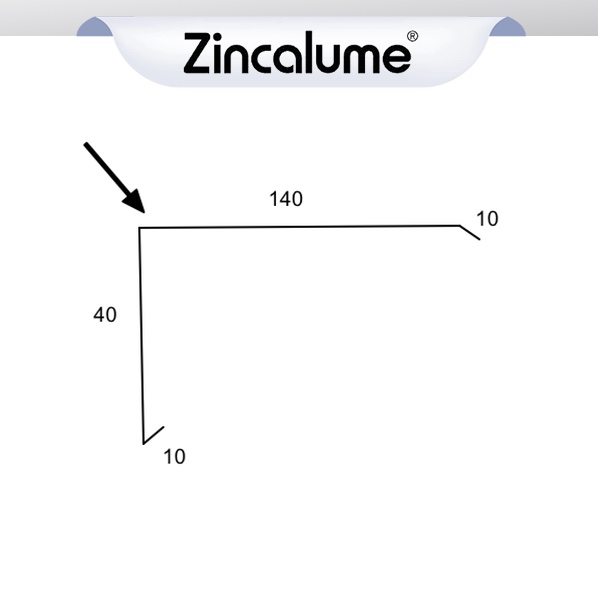
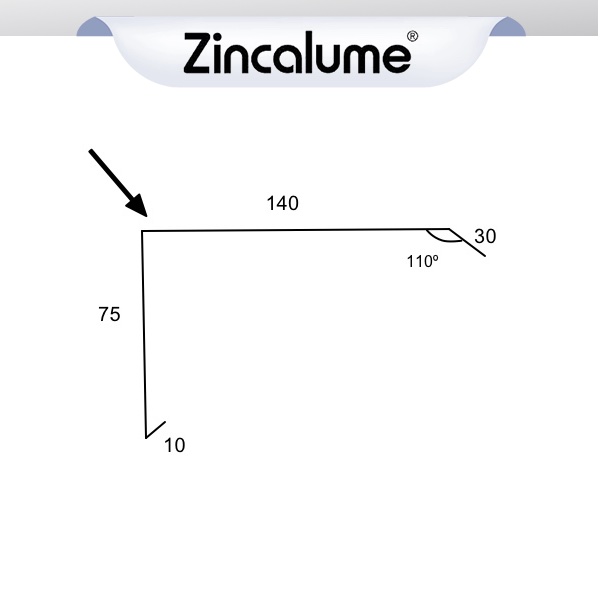
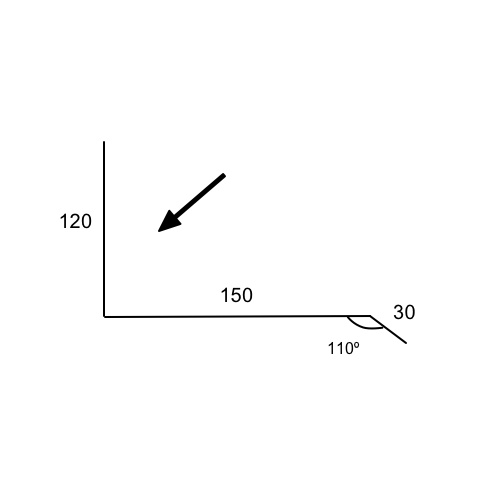
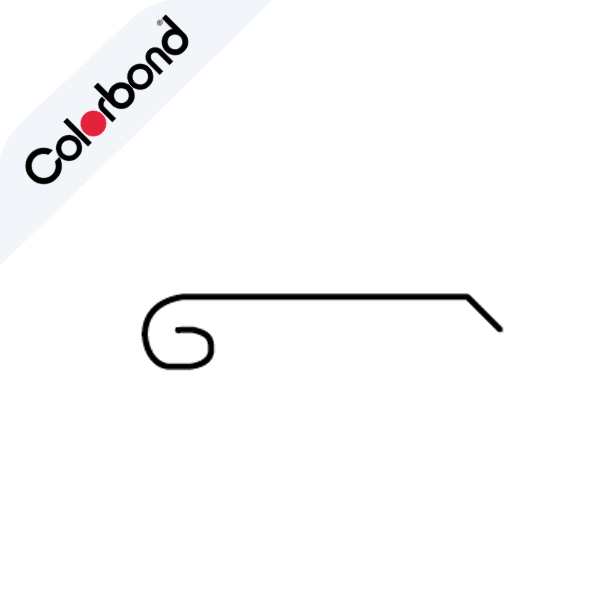
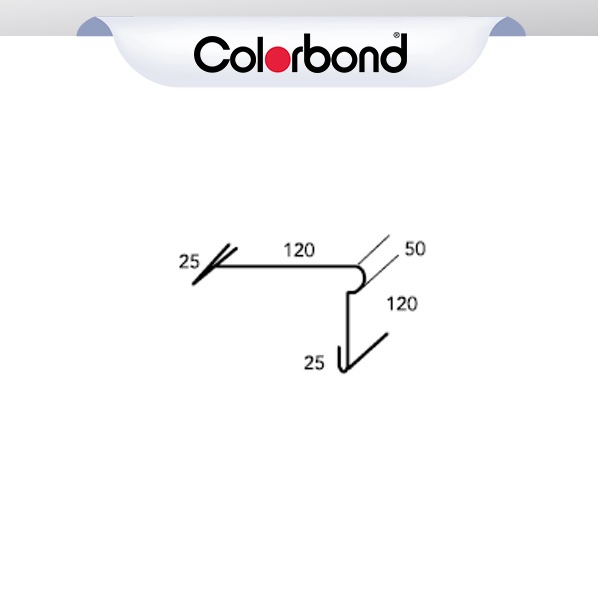
Apron flashing – used where a roof meets a wall or transition detail
-
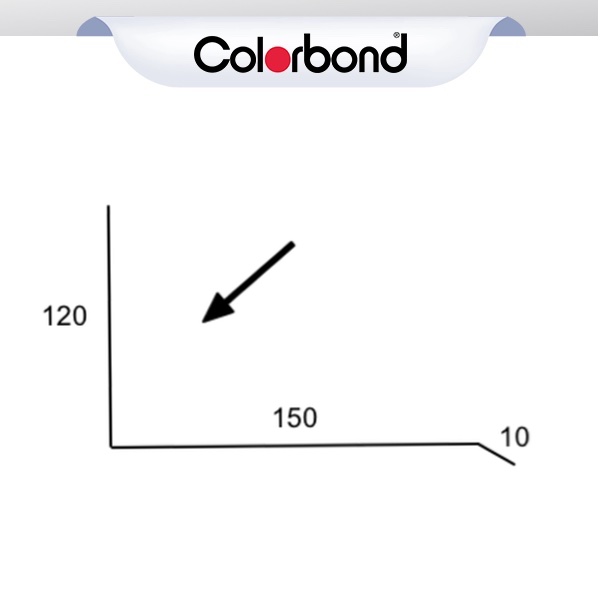
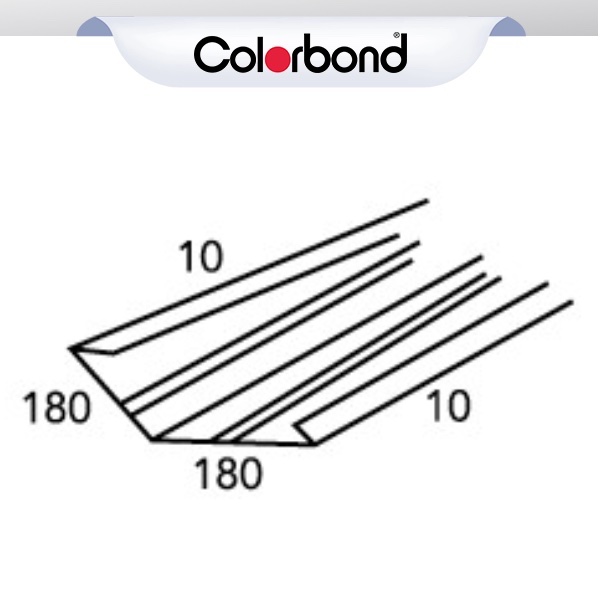
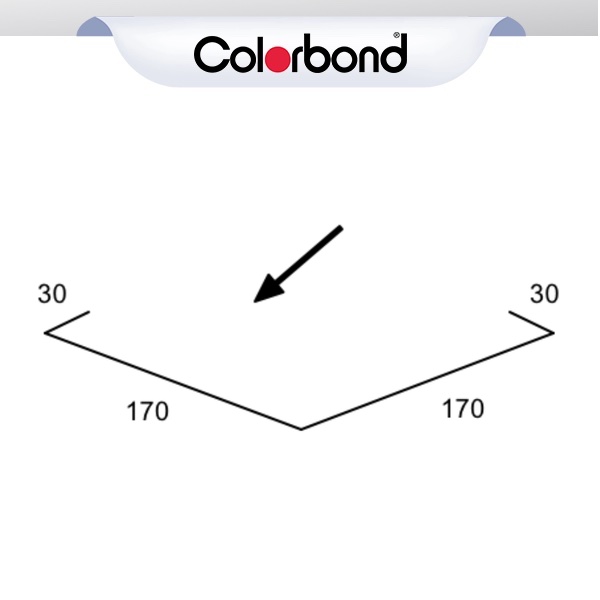
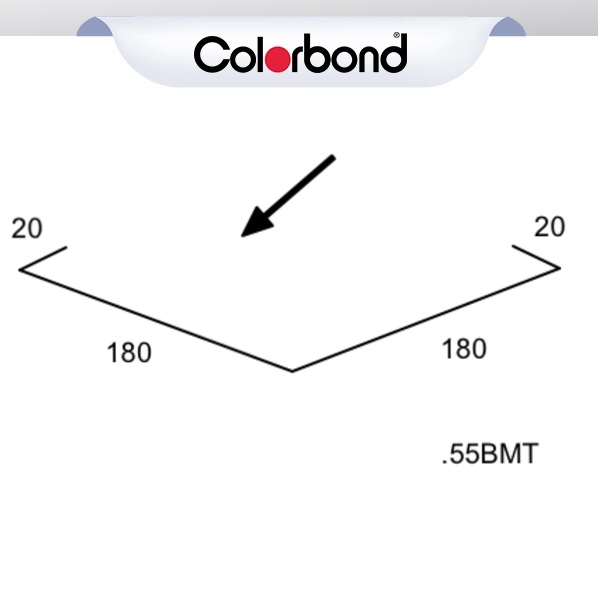
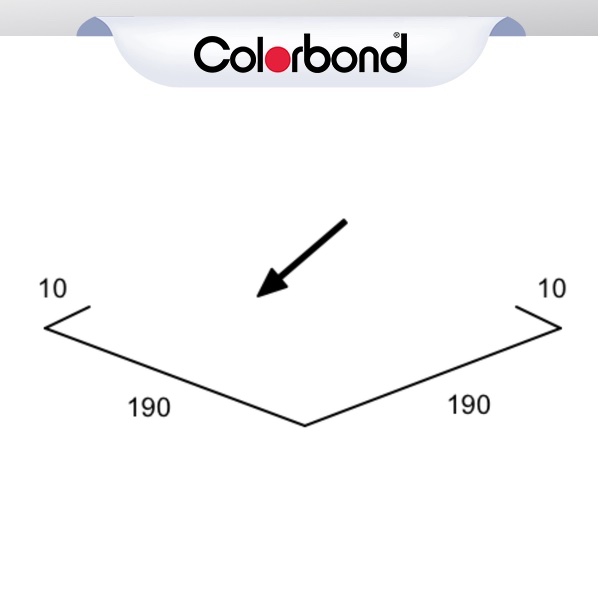
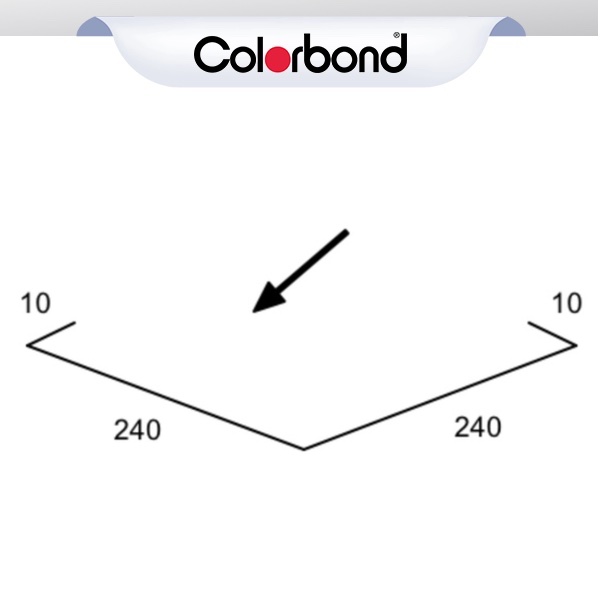
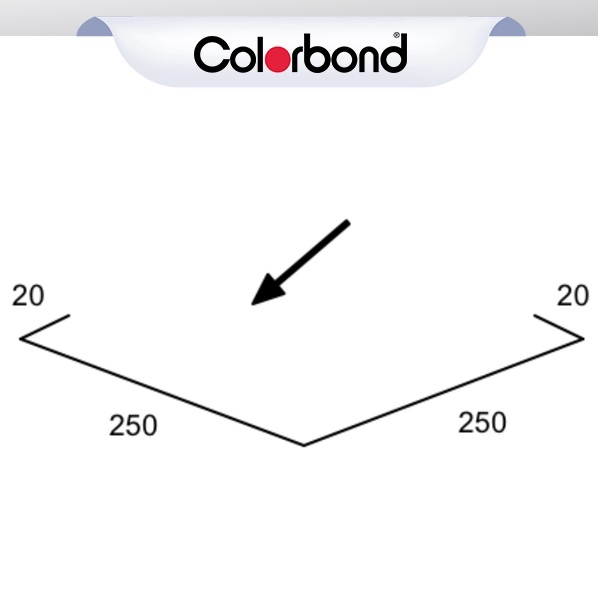
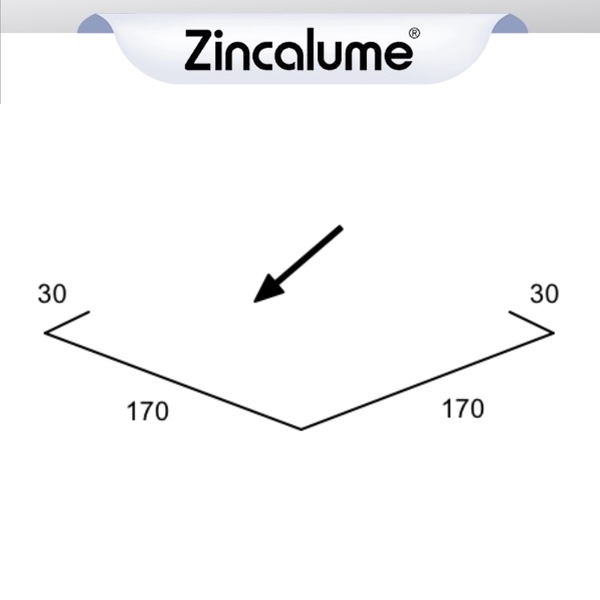
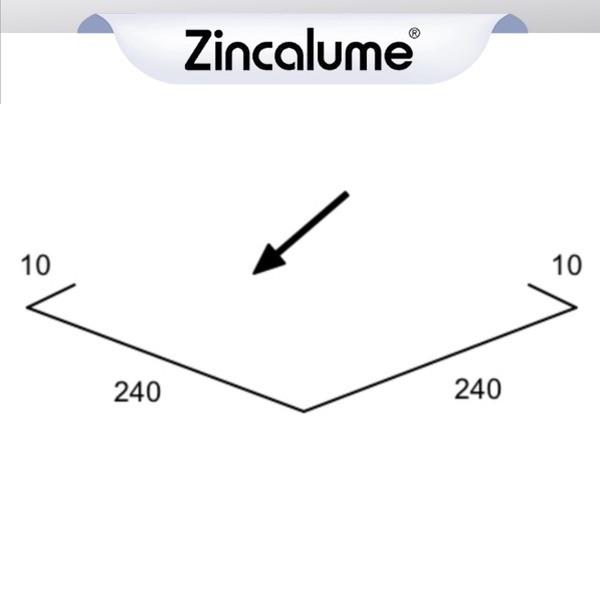
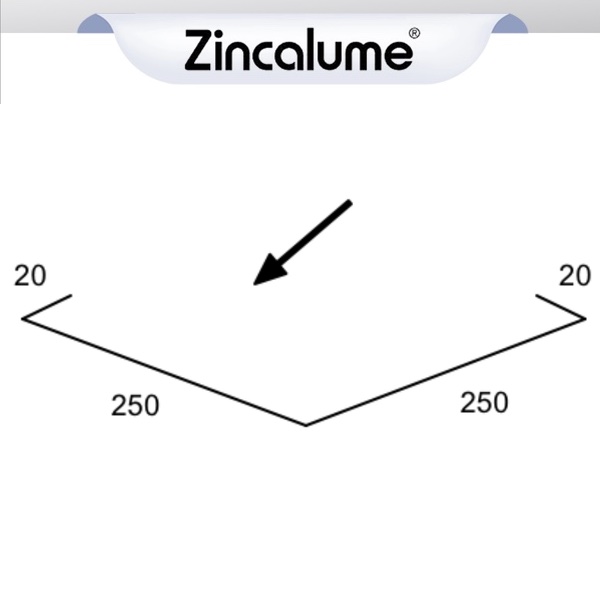
Valley flashing – fitted in a valley to carry runoff safely into the drainage path
-
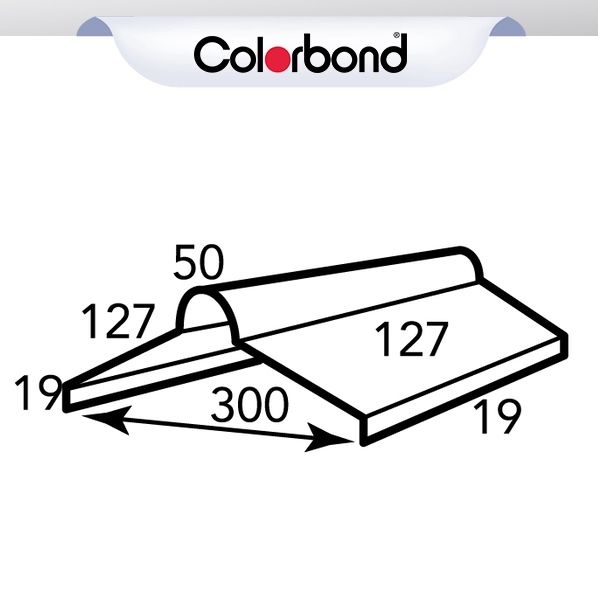
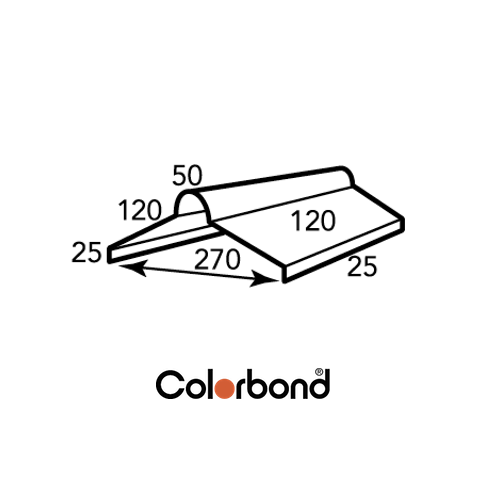
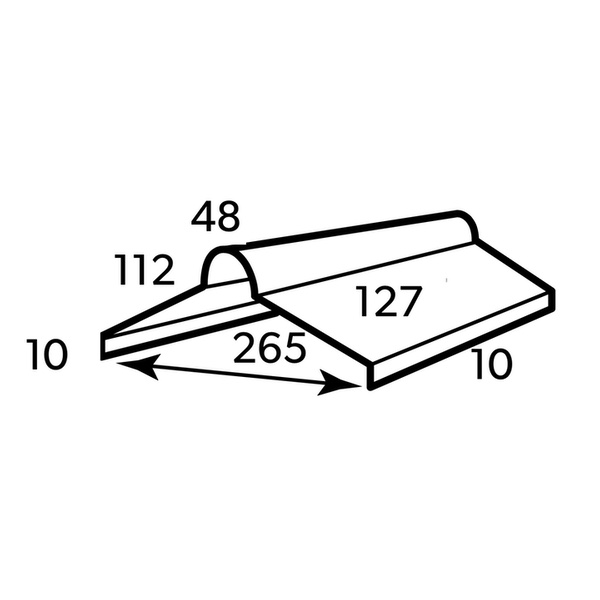
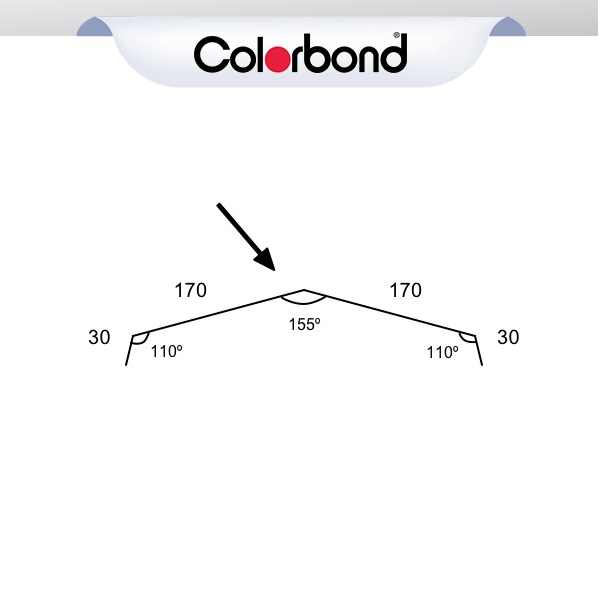
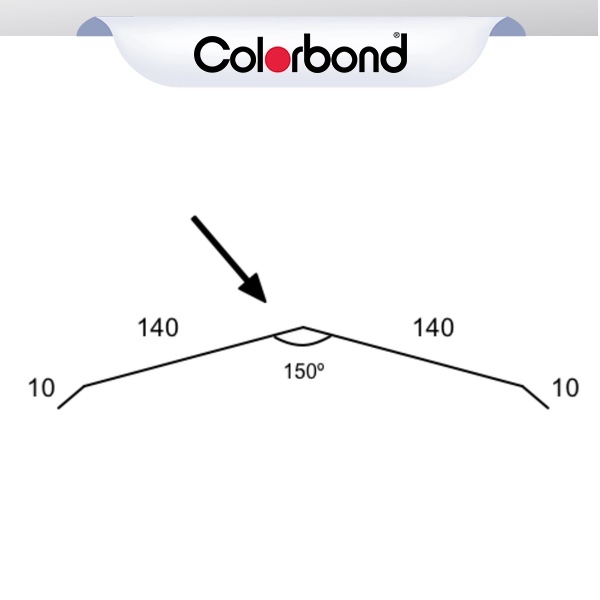
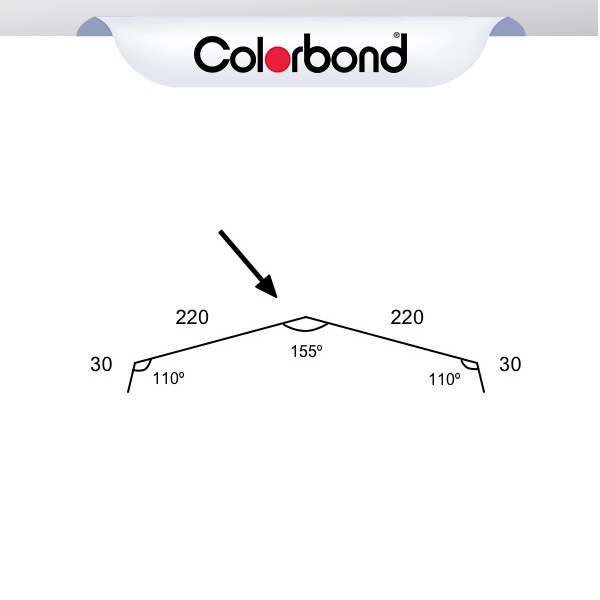
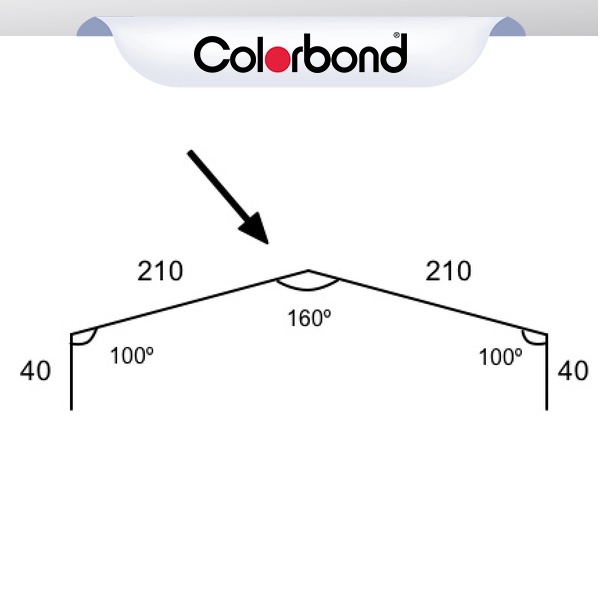
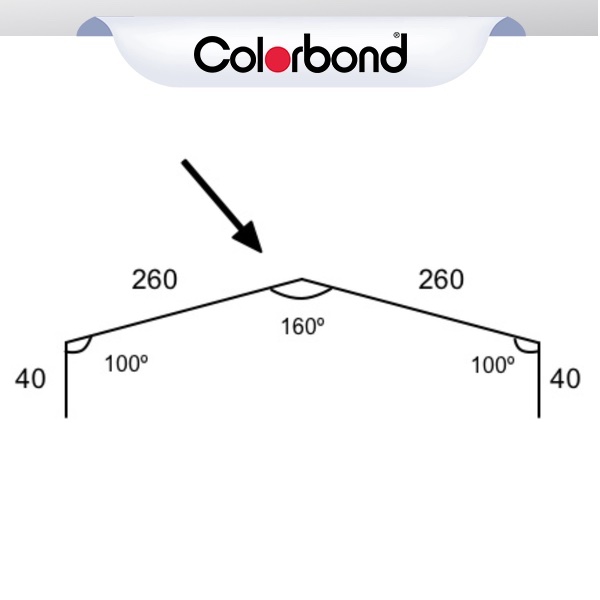
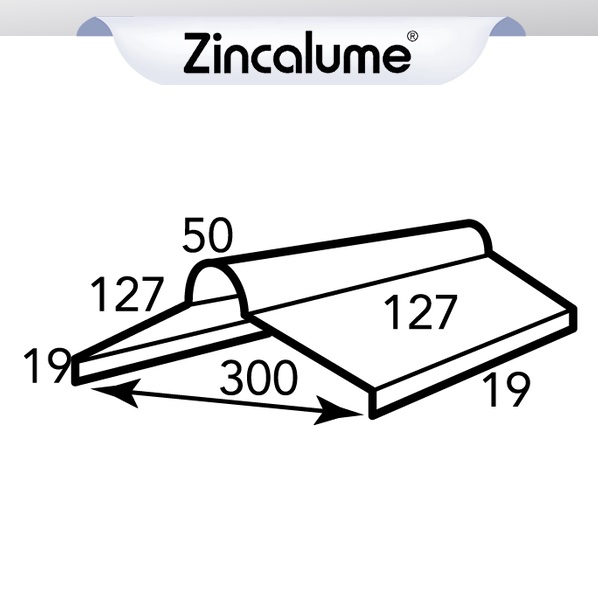
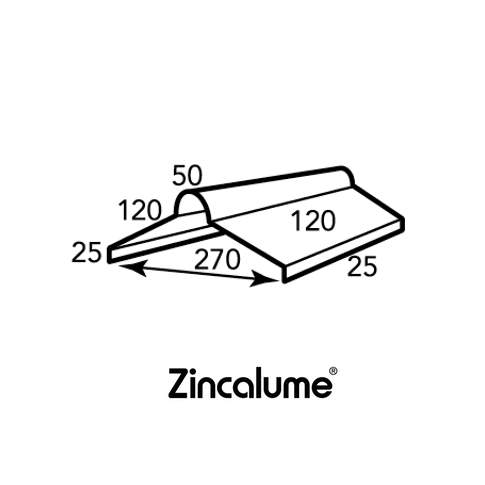
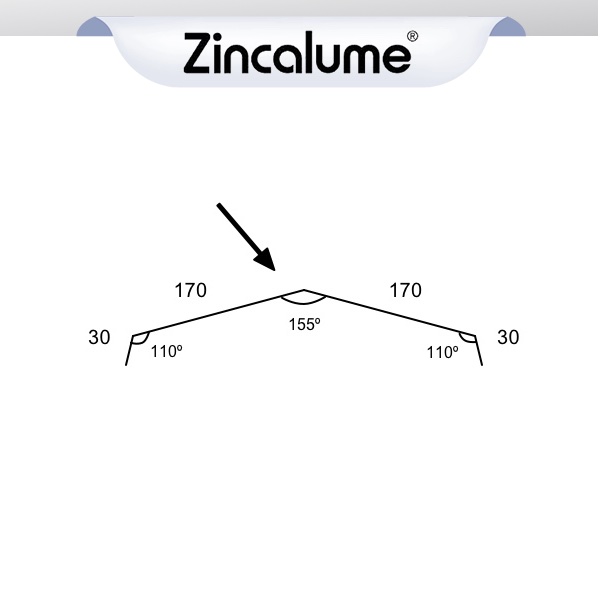
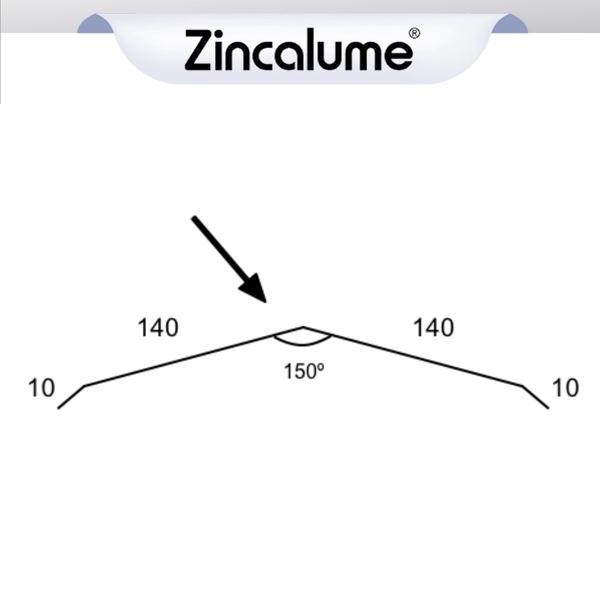
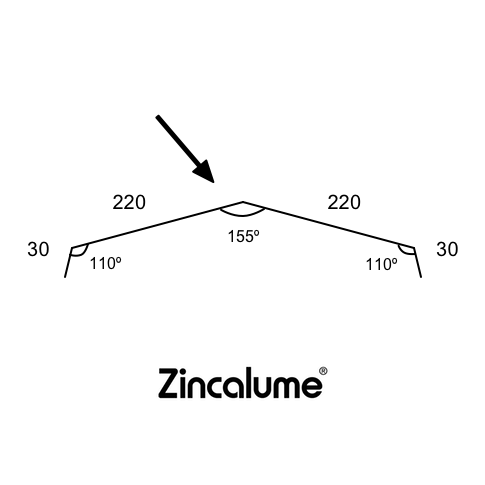
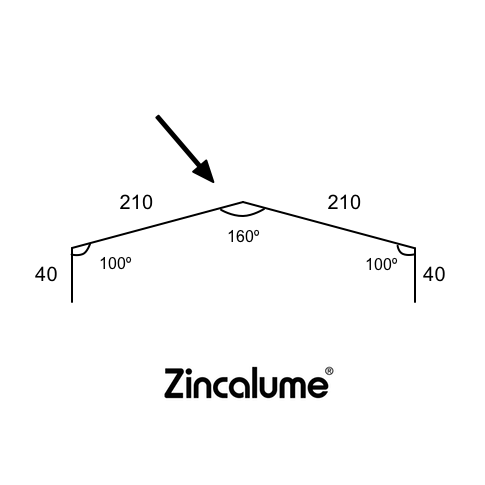
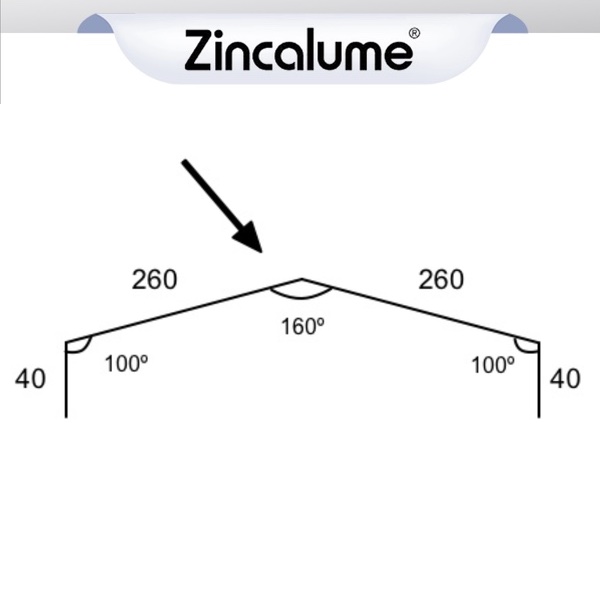
Ridge capping – covers the peak junction where two roof faces meet
-
Parapet capping – protects parapet walls and exposed tops
-
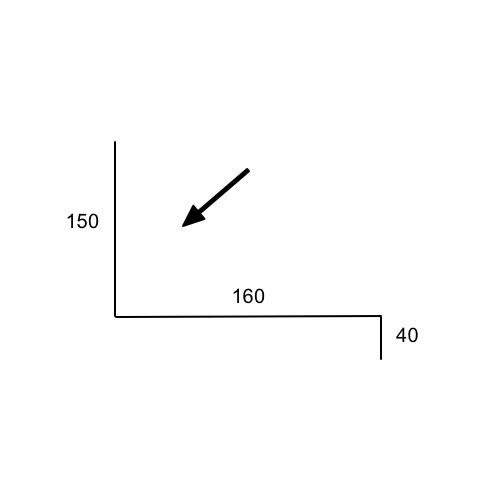
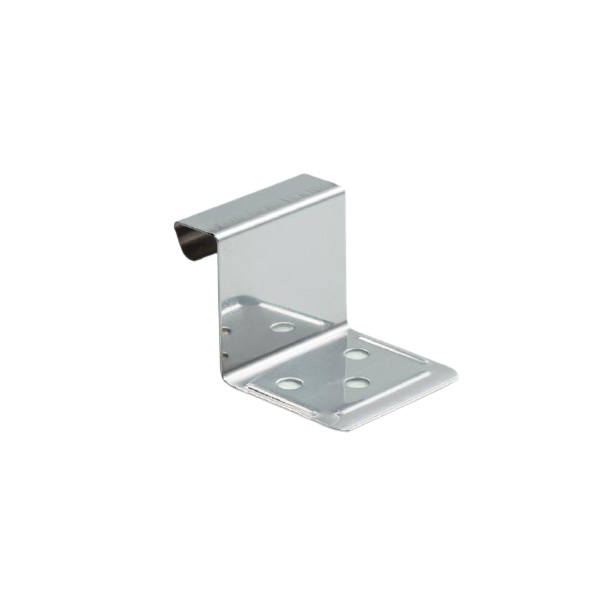
Z flashing – often used to shed water cleanly behind cladding transitions
-
Window flashing – helps manage water around window and cladding details
-
Transition flashing – used where roofing or cladding changes profile or direction
The right flashing profile helps direct water away from the roof structure and reduces the likelihood of recurring roof leak issues.
COLORBOND® and ZINCALUME® flashing options
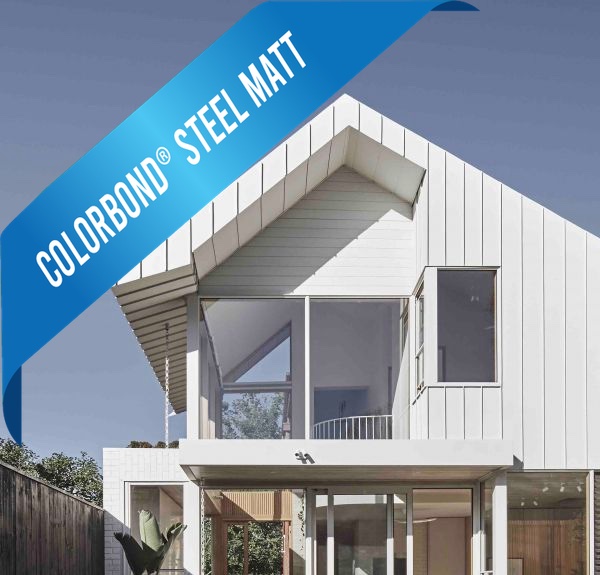
Most modern metal roof flashing is made from coated steel. At Metal Roofing Online, standard and custom flashings are available in genuine BlueScope steel finishes including COLORBOND® and ZINCALUME®, alongside a range of matching roofing sheets and accessories for the whole project in COLORBOND® and ZINCALUME® steel. Choosing compatible materials across the roof helps reduce corrosion risk and gives a cleaner overall finish.
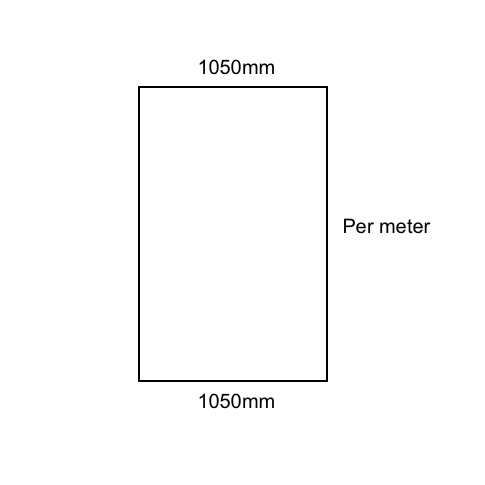
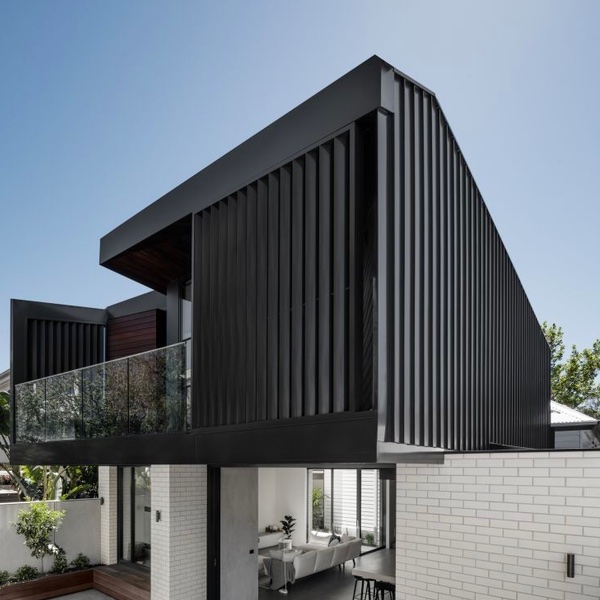
If you want your flashing to blend with surrounding roofing and rainwater goods, COLORBOND® flashing made from flat sheet is the usual choice. If you prefer a metallic finish, ZINCALUME® flashing is a popular option. Many customers also match flashings with roof sheets, gutters and barge details in coordinating Colorbond colours.
Custom flashings and made-to-order folding
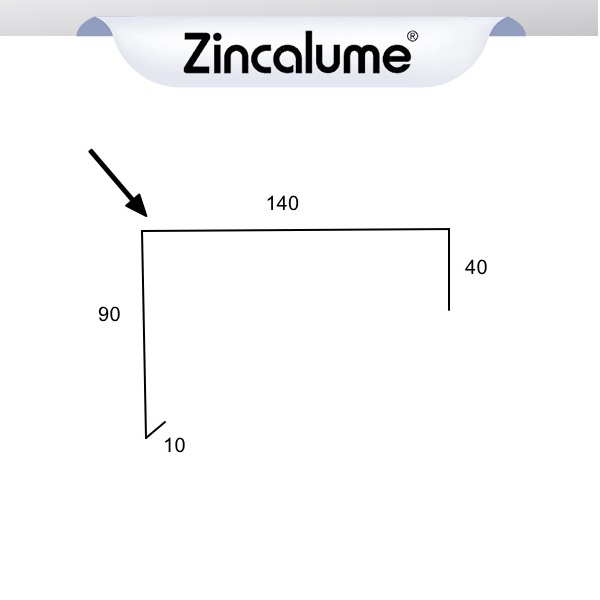
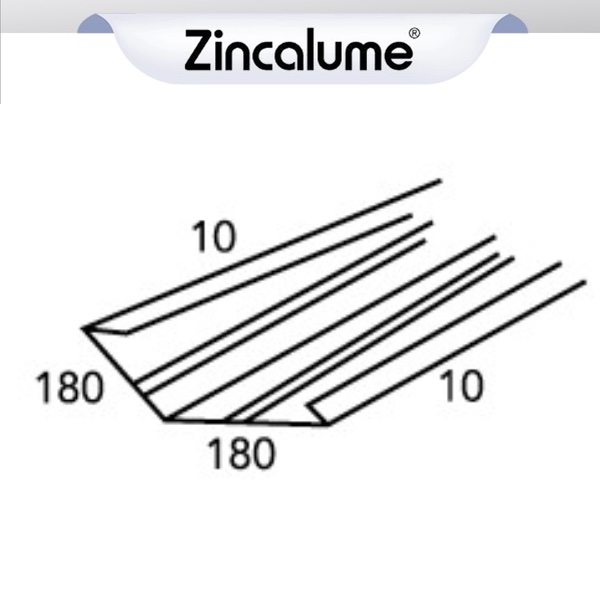
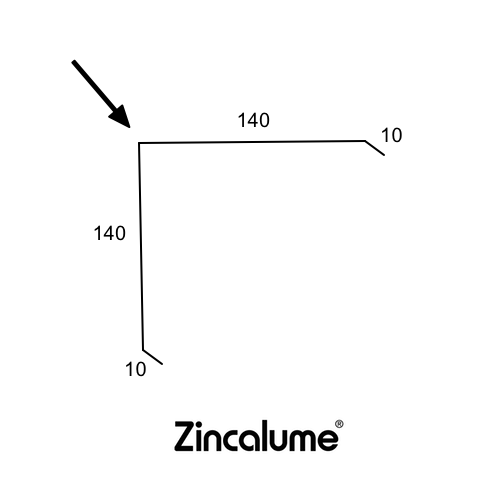
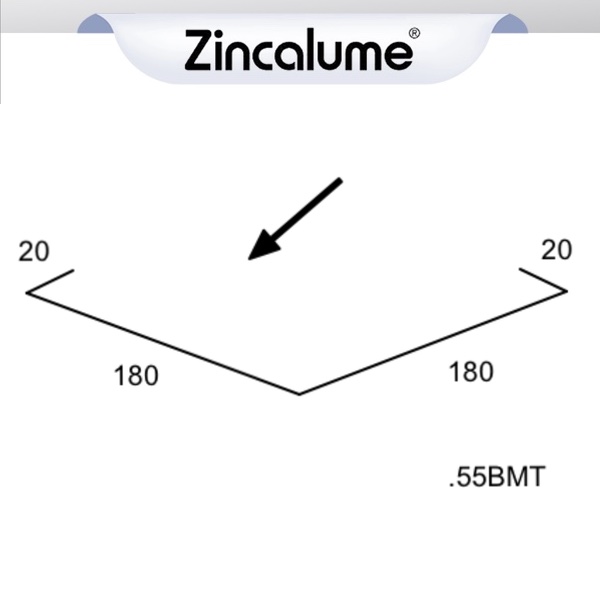
Not every roof detail suits an off-the-shelf profile. That is where custom flashings and made to order flashings come in. For unusual returns, non-standard folds, penetrations or cladding transitions, custom pieces such as ZINCALUME® apron roof flashings are often the cleanest way to get a reliable, watertight result.
To order accurately, provide:
-
overall dimensions and fold sizes
-
required length
-
BMT or thickness
-
material and finish selection
-
quantity needed for the job site
Ordering cut to length flashings, including compatible box gutter flashings, can help reduce waste, speed up installation and make the finished detail neater.
Tile roof flashing and metal roof flashing
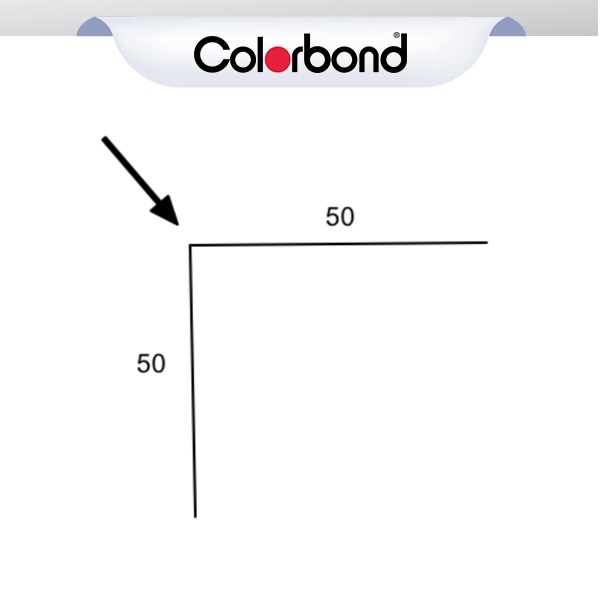
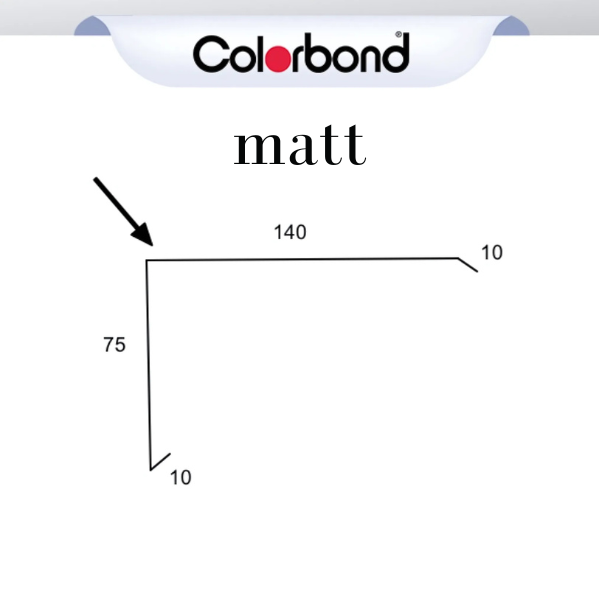
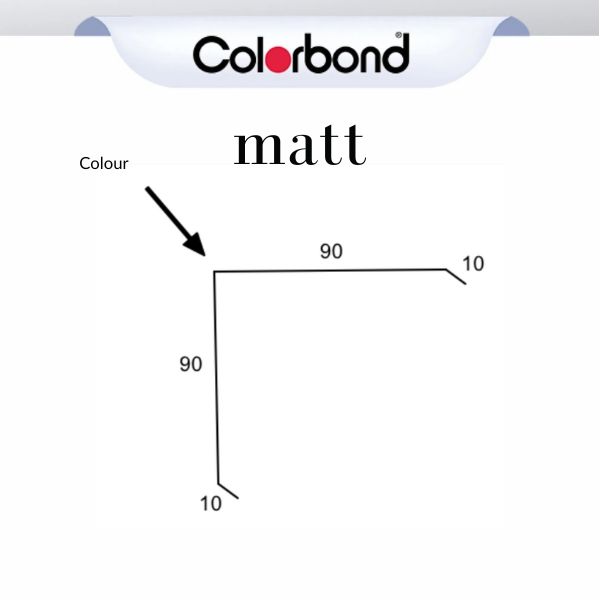
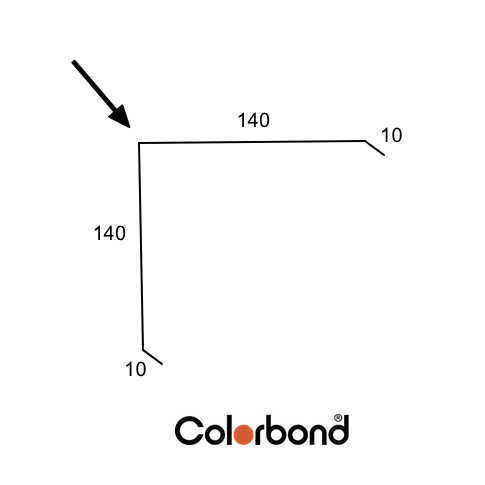
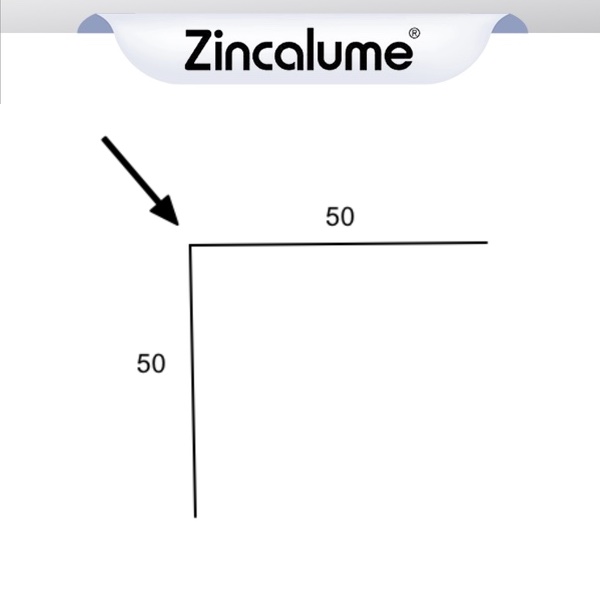
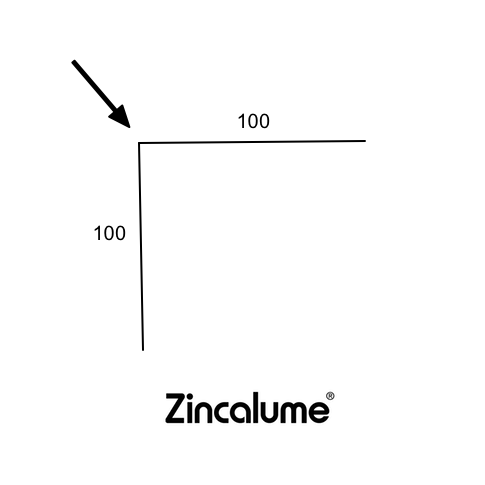
The same weatherproofing principles apply whether you are dealing with tile roof flashing or metal roof flashing. The goal is always to seal the detail properly, manage runoff, and stop water tracking behind the sheet or wall line, particularly around details such as corner roof flashings. A poorly formed flashing can leave small gaps that allow moisture in over time, especially around penetrations and exposed edges.
Maintenance, replacement and leak prevention
Improper, loose or damaged roof flashing is one of the most common causes of persistent roof leaks. If left unchecked, failed flashing can lead to internal staining, timber damage and expensive repairs. Regular inspection of valley flashing, ridge details and wall intersections can help identify wear before it turns into major water damage.
If a piece is rusted, poorly fitted or no longer directing water correctly, replacement is often the better long-term fix. Correct overlaps, compatible fixings and proper installation all matter when you want a roof detail to stay watertight.
Choosing the right roof flashing
When choosing roof flashing, think about the location of the detail, the roofing or cladding profile, the exposure conditions and the material already used on the roof, including whether COLORBOND® or ZINCALUME® flat sheet flashing best suits the application. Whether you need a standard apron, a custom folded valley piece, or a transition detail around walls and penetrations, the best result usually comes from choosing the right profile first rather than trying to force the wrong one to fit.
If you know the dimensions, finish and quantity, you can order online directly. If the detail is more complex, custom-made flashing is usually the cleaner and more reliable option.